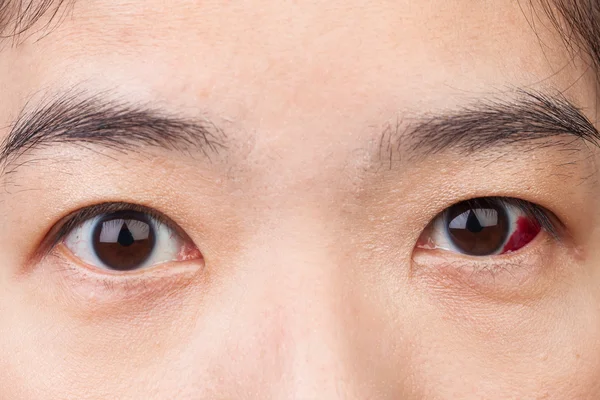
Diabetes affects more than just your blood sugar levels. Over time, it can damage blood vessels throughout the body, including those in your eyes. In fact, changes in the retina can provide valuable clues about how diabetes is affecting your overall health. Recognising diabetic retinopathy symptoms early can help prevent vision loss and highlight the need for better diabetes management.
Key Takeaways
- Diabetic retinopathy symptoms may indicate long-term damage caused by diabetes.
- Eye changes can occur before noticeable vision problems develop.
- Regular eye examinations can help detect complications early.
- Managing blood sugar, blood pressure, and cholesterol may help reduce the risk of diabetic eye disease.
How Does Diabetes Affect Your Eyes Over Time?
The retina is the light-sensitive tissue at the back of the eye that helps you see clearly. When blood sugar levels remain high for long periods, the tiny blood vessels in the retina can become damaged.
This condition is known as diabetic retinopathy, one of the most common diabetes-related eye complications. Over time, diabetes can cause:
- Weakening of retinal blood vessels
- Leakage of fluid or blood into the retina
- Swelling of the macula (the central part of the retina responsible for detailed vision)
- Growth of abnormal blood vessels
- Permanent vision impairment if left untreated
Because these changes often develop gradually, many people may not notice symptoms in the early stages.
What Are the Common Diabetic Retinopathy Symptoms?
Many individuals with diabetic retinopathy experience no symptoms initially. However, as the condition progresses, you may notice:
- Blurred or fluctuating vision
- Dark spots or floaters in your field of vision
- Difficulty reading or seeing fine details
- Impaired colour perception
- Areas of missing or distorted vision
- Reduced vision, particularly in advanced stages
If you experience any of these diabetic retinopathy symptoms, it is important to arrange an eye examination promptly.
Can Your Eyes Reveal Other Diabetes-Related Health Problems?
Yes. The condition of your retinal blood vessels may provide insights into your overall vascular health.
Changes observed during an eye examination may indicate:
- Long-standing poor blood sugar control
- Increased risk of cardiovascular disease
- High blood pressure affecting blood vessels
- Kidney disease associated with diabetes
- Widespread microvascular damage throughout the body
This is why comprehensive diabetic eye examinations play an important role in ongoing diabetes care.
Why Are Regular Eye Examinations So Important for People with Diabetes?
Even if your vision seems normal, retinal damage can develop silently.
Regular eye examinations can help:
- Detect diabetic retinopathy before symptoms appear
- Monitor changes over time
- Identify other eye conditions linked to diabetes
- Support timely management and referral when necessary
- Protect long-term visual function
People living with diabetes should follow the eye examination schedule recommended by their eye care professional and healthcare team.
How Can You Help Protect Your Vision?
While not all complications can be prevented, several steps may help reduce the risk of diabetic eye disease:
- Maintain healthy blood sugar levels
- Monitor and manage blood pressure
- Keep cholesterol levels within recommended ranges
- Attend regular diabetes reviews
- Schedule routine comprehensive eye examinations
- Avoid smoking where possible
- Seek prompt assessment if vision changes occur
Small, consistent lifestyle measures can make a meaningful difference to long-term eye health.
Frequently Asked Questions
1. Can diabetic retinopathy occur even if my vision seems normal?
Yes. Early diabetic retinopathy often develops without noticeable symptoms. This is why regular eye examinations are important, even when vision appears unaffected.
2. Who is at risk of developing diabetic retinopathy?
Anyone with Type 1 or Type 2 diabetes can develop diabetic retinopathy. The risk generally increases with the duration of diabetes and how well blood sugar levels are controlled.
3. Are diabetic retinopathy symptoms always permanent?
Not necessarily. Early detection and appropriate management may help reduce further progression and preserve vision. However, advanced retinal damage can result in permanent visual impairment.
4. How often should people with diabetes have their eyes checked?
The appropriate frequency varies depending on individual circumstances and eye health status. Your optometrist or healthcare professional can advise on a suitable examination schedule.
Concerned About Diabetic Retinopathy Symptoms? Book an Eye Examination Today
Your eyes can reveal important information about the long-term impact of diabetes on your health. Detecting retinal changes early may help identify complications before they affect your vision significantly.
At Stan Isaacs Optometrists, Stan Isaacs and the team provide comprehensive eye examinations designed to assess retinal health and monitor diabetes-related eye changes. If you have diabetes or have noticed potential diabetic retinopathy symptoms, arranging a professional eye assessment is an important step towards protecting your vision.
Book a consultation with Stan Isaacs Optometrists today to better understand your eye health and support your long-term wellbeing.