
Genetic conditions are often associated with childhood but is that always the case for eye disorders? Many people are surprised to learn that certain inherited eye conditions can remain silent for years and only appear in adulthood.
Key Takeaways
- Some late onset genetic eye disorders may not show symptoms until adulthood
- Changes in vision later in life are not always age-related, they may have a genetic link
- Early detection can help manage symptoms and slow progression
- Family history plays an important role in identifying potential risks
What Are Late Onset Genetic Eye Disorders?
Late onset genetic eye disorders refer to inherited eye conditions that do not present symptoms at birth or during childhood, but instead develop gradually over time.
These conditions may remain unnoticed for years because,
- Symptoms can be mild in early stages
- Vision changes may be mistaken for normal ageing
- Progression is often slow and subtle
Common examples include,
- Retinitis pigmentosa (late onset forms)
- Glaucoma with genetic predisposition
- Macular dystrophies
- Inherited optic neuropathies
Why Do Genetic Eye Disorders Appear Later in Life?
Symptoms of late onset genetic eye disorders can vary depending on the condition, but some common signs include,
- Gradual loss of peripheral vision
- Difficulty seeing in low light or at night
- Blurred or distorted central vision
- Increased sensitivity to light
- Difficulty adapting between light and dark environments
If these symptoms persist or worsen, it is advisable to have an eye assessment.
Can These Conditions Be Detected Early?
Yes, early detection is possible, even before noticeable symptoms develop.
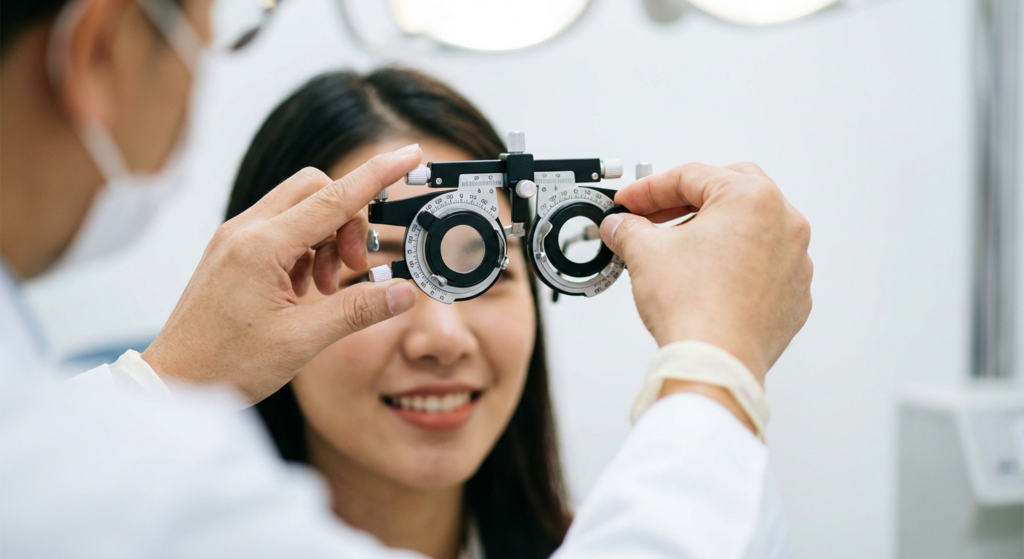
Eye examinations may include,
- Comprehensive eye tests to assess vision changes
- Retinal imaging to detect structural abnormalities
- Visual field testing to check peripheral vision
- Family history evaluation to identify inherited risks
Regular eye check-ups are particularly important if there is a known family history of eye conditions.
How Are Late Onset Genetic Eye Disorders Managed?
While genetic conditions cannot be reversed, management focuses on preserving vision and improving quality of life. Some approaches may include,
- Monitoring progression through regular eye examinations
- Corrective lenses or visual aids
- Lifestyle adjustments to support eye health
- Referral for further medical evaluation when necessary
Management plans are tailored to the individual and the specific condition.
Frequently Asked Questions
1. Can you develop a genetic eye disorder even without a family history?
Yes, in some cases, genetic mutations can occur without a known family history, or previous generations may not have shown noticeable symptoms.
2. Are late-onset genetic eye disorders preventable?
These conditions are inherited and cannot be prevented, but early detection can help manage their progression.
3. At what age do symptoms usually begin?
Symptoms can appear anytime in adulthood, often between the 30s and 60s, depending on the condition.
4. Should I get tested if a family member has an eye disorder?
If there is a family history, regular eye examinations are recommended to monitor for early signs.
When Should You Consider an Eye Check?
If you’ve noticed gradual vision changes or have a family history of eye conditions, it may be worth having your eyes assessed.
At Stan Isaacs Optometrists in Singapore, Dr Stan Isaacs and his team provides comprehensive eye examinations focused on identifying and monitoring conditions such as late onset genetic eye disorders in a careful and patient-centred manner. Consider booking a consultation and taking a proactive step today can help you better understand your eye health and available options.