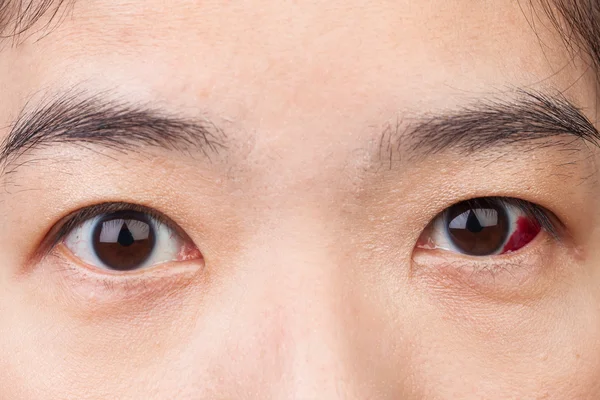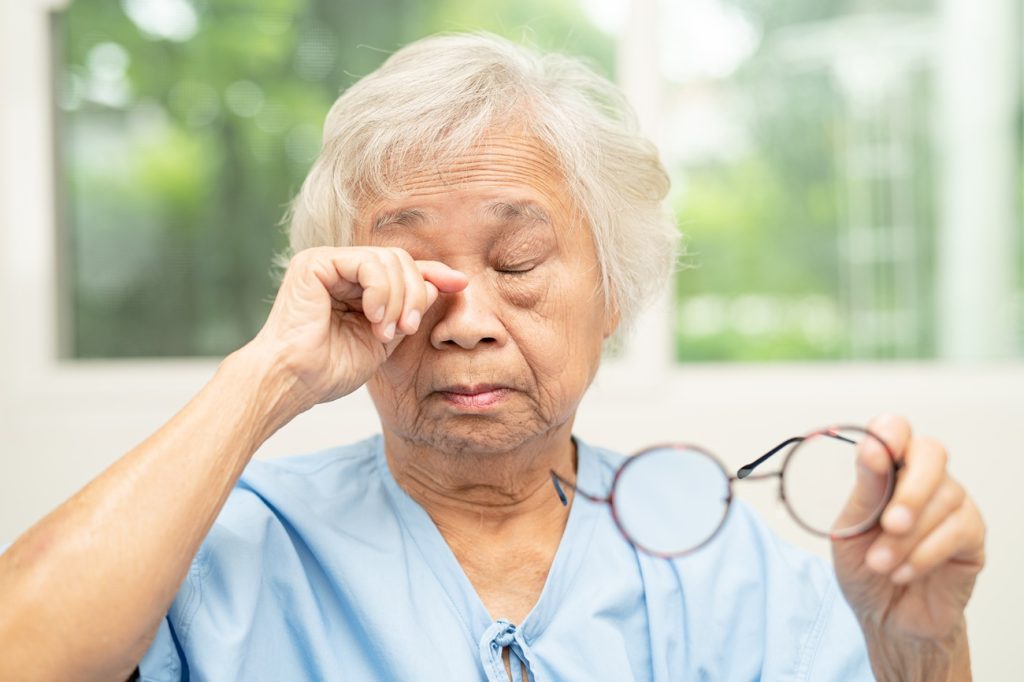
Have your eyes been feeling tired, blurry or watery even though your prescription hasn’t changed? While many people assume worsening vision is to blame, the real issue may lie in the health of your eyelids and tear glands. Eyelid gland dysfunction is a common yet often overlooked condition that can affect the quality of your tears, leading to discomfort and fluctuating vision.
Key Takeaways
- Eyelid gland dysfunction can cause blurred vision, dry eyes and irritation, even if your eyesight remains unchanged.
- Healthy eyelids and tear glands are essential for keeping your eyes comfortable and your vision clear.
- Early assessment can help identify the cause of persistent eye discomfort and guide appropriate management.
- Regular eye examinations can detect changes affecting both your vision and the health of your eyes.
Could Your Blurry Vision Actually Be Caused by Eyelid Gland Dysfunction?
When your vision seems inconsistent throughout the day, it isn’t always because you need stronger glasses.
Your eyelids contain tiny oil-producing glands called meibomian glands. These glands release oils that help prevent tears from evaporating too quickly. When these glands become blocked or do not function properly, eyelid gland dysfunction can develop.
This may result in,
- Fluctuating or blurry vision that improves after blinking
- Dry, gritty or burning eyes
- Excessive watering despite feeling dry
- Red or irritated eyelids
- Eye fatigue, especially after prolonged screen use
- Increased sensitivity to wind or air-conditioned environments
Because these symptoms often develop gradually, they can easily be mistaken for changing eyesight.
Why Do Healthy Tear Glands Matter for Clear Vision?
Your tears are more than just water. They contain three important layers that work together to protect the eye,
- Oil layer- Slows tear evaporation.
- Water layer- Keeps the eye hydrated and washes away debris.
- Mucus layer- Helps tears spread evenly across the eye surface.
When the oil layer is affected by eyelid gland dysfunction, tears evaporate too quickly. This creates an unstable tear film that may temporarily blur your vision and make your eyes feel uncomfortable.
What Increases Your Risk of Eyelid Gland Dysfunction?
Several everyday factors can contribute to the condition, including,
- Ageing
- Long hours of digital screen use with reduced blinking
- Wearing contact lenses
- Certain skin conditions, such as rosacea
- Previous eyelid inflammation
- Environmental factors such as dry air or prolonged air-conditioning
Having one or more of these risk factors does not necessarily mean you will develop the condition, but it may increase the likelihood.
How Can You Tell Whether It's Your Eyesight or Your Eyelids?
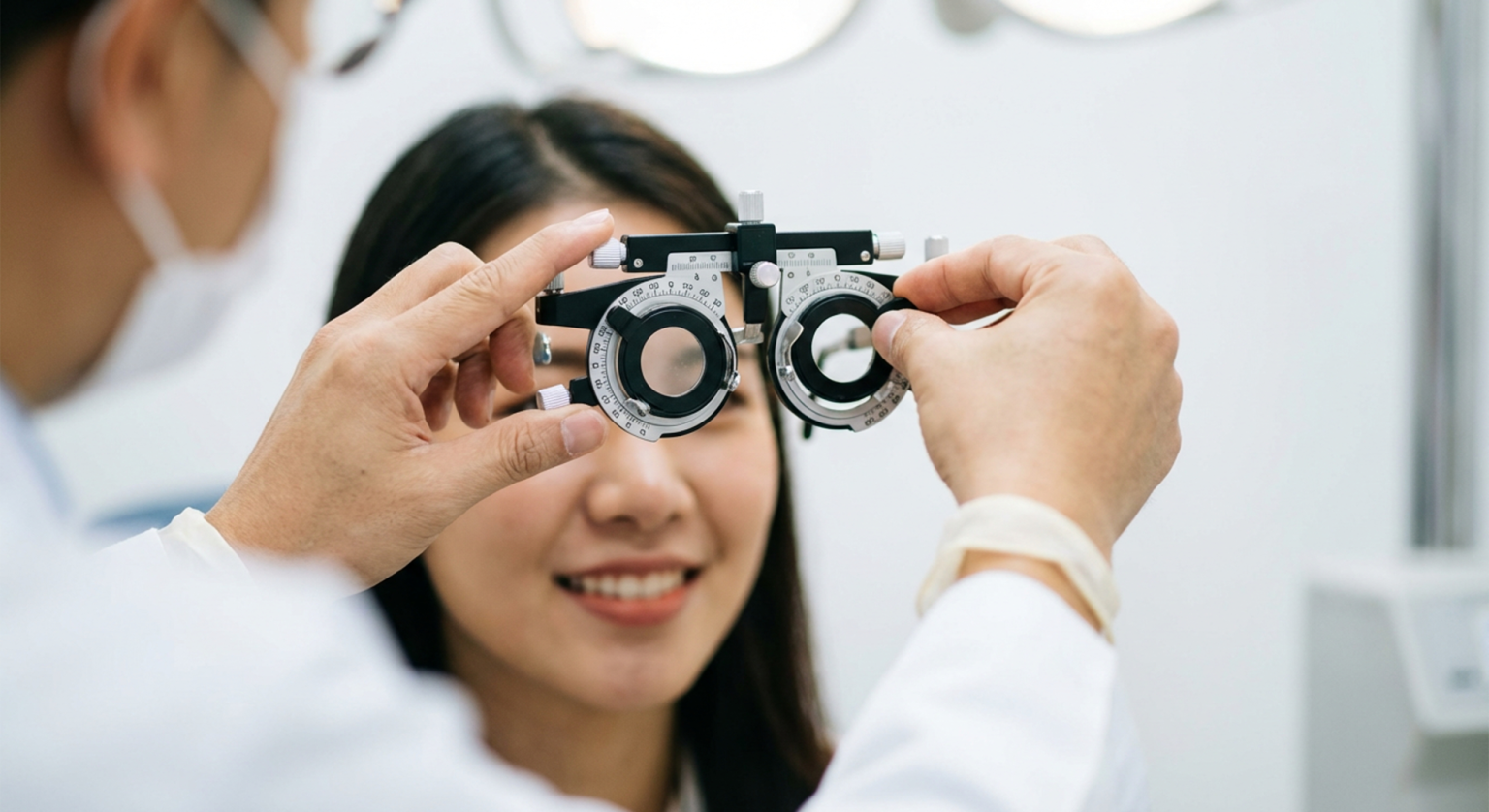
A comprehensive eye examination can help distinguish between a refractive change and problems affecting your eyelids or tear glands. Your optometrist may assess,
- Your current vision and spectacle prescription
- Tear film stability
- Eyelid and meibomian gland health
- The quality and quantity of your tears
- The overall health of the front surface of your eyes
Identifying the underlying cause is important because blurred vision is not always corrected by changing your glasses.
What Can Help Manage Eyelid Gland Dysfunction?
Management depends on the underlying findings and your individual needs. Some recommendations may include,
- Warm compresses to support normal oil flow
- Gentle eyelid hygiene
- Taking regular breaks during screen use
- Staying well hydrated
- Using lubricating eye drops when appropriate
- Following personalised advice after a professional eye assessment
Consistent care may help improve comfort and support a healthier tear film over time.
Frequently Asked Questions
1. Can eyelid gland dysfunction permanently damage my eyesight?
Eyelid gland dysfunction primarily affects the quality of your tear film rather than permanently damaging your eyesight. However, untreated symptoms can continue to affect comfort and cause fluctuating vision.
2. Is eyelid gland dysfunction the same as dry eye disease?
Not exactly. Eyelid gland dysfunction is one of the most common causes of evaporative dry eye, but dry eye symptoms can also have other contributing factors.
3. Can younger adults develop eyelid gland dysfunction?
Yes. While it becomes more common with age, younger adults who spend long hours on digital devices or wear contact lenses may also experience it.
4. When should I arrange an eye examination?
If you experience persistent dry eyes, fluctuating vision, eye irritation or watering that does not improve, it is advisable to have your eyes assessed to determine the underlying cause.
Don't Ignore Changes in Your Eye Comfort
If your vision seems to change throughout the day or your eyes constantly feel dry, irritated or tired, the problem may not simply be your eyesight. Assessing the health of your eyelids and tear glands is an important part of understanding your symptoms.
At Stan Isaacs Optometrists, Dr Isaacs and the team provide comprehensive eye examinations to assess both your vision and the overall health of your eyes, including conditions such as eyelid gland dysfunction. If you’re experiencing ongoing eye discomfort or fluctuating vision, schedule a consultation to receive an appropriate assessment and personalised recommendations.