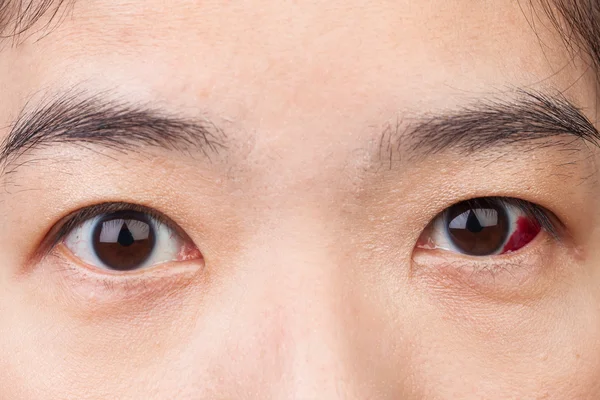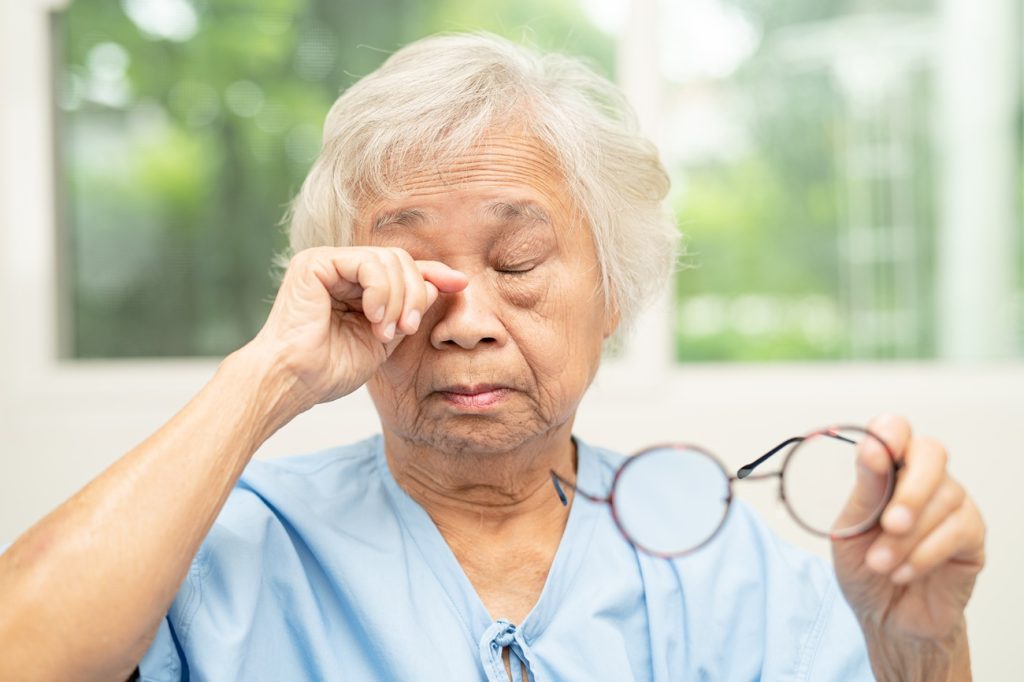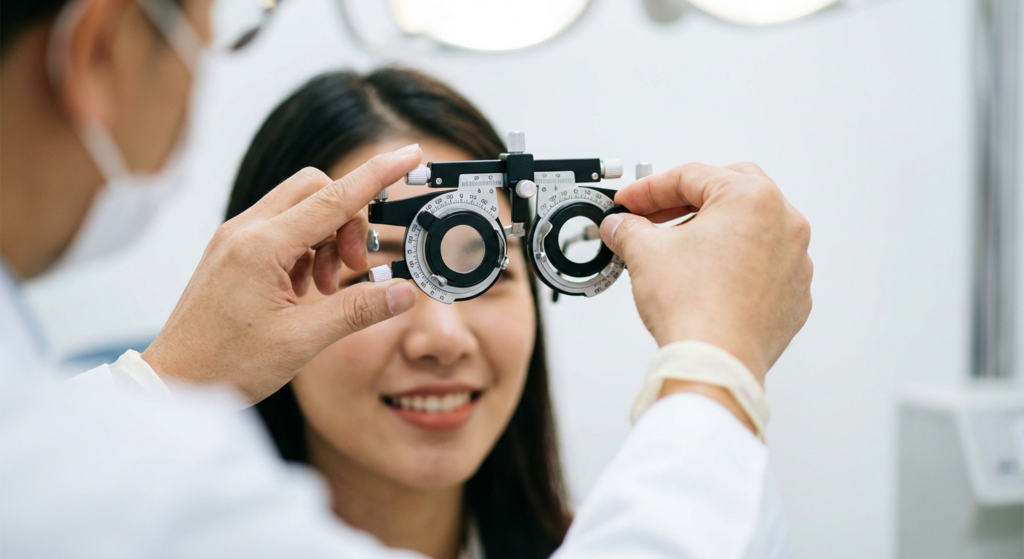
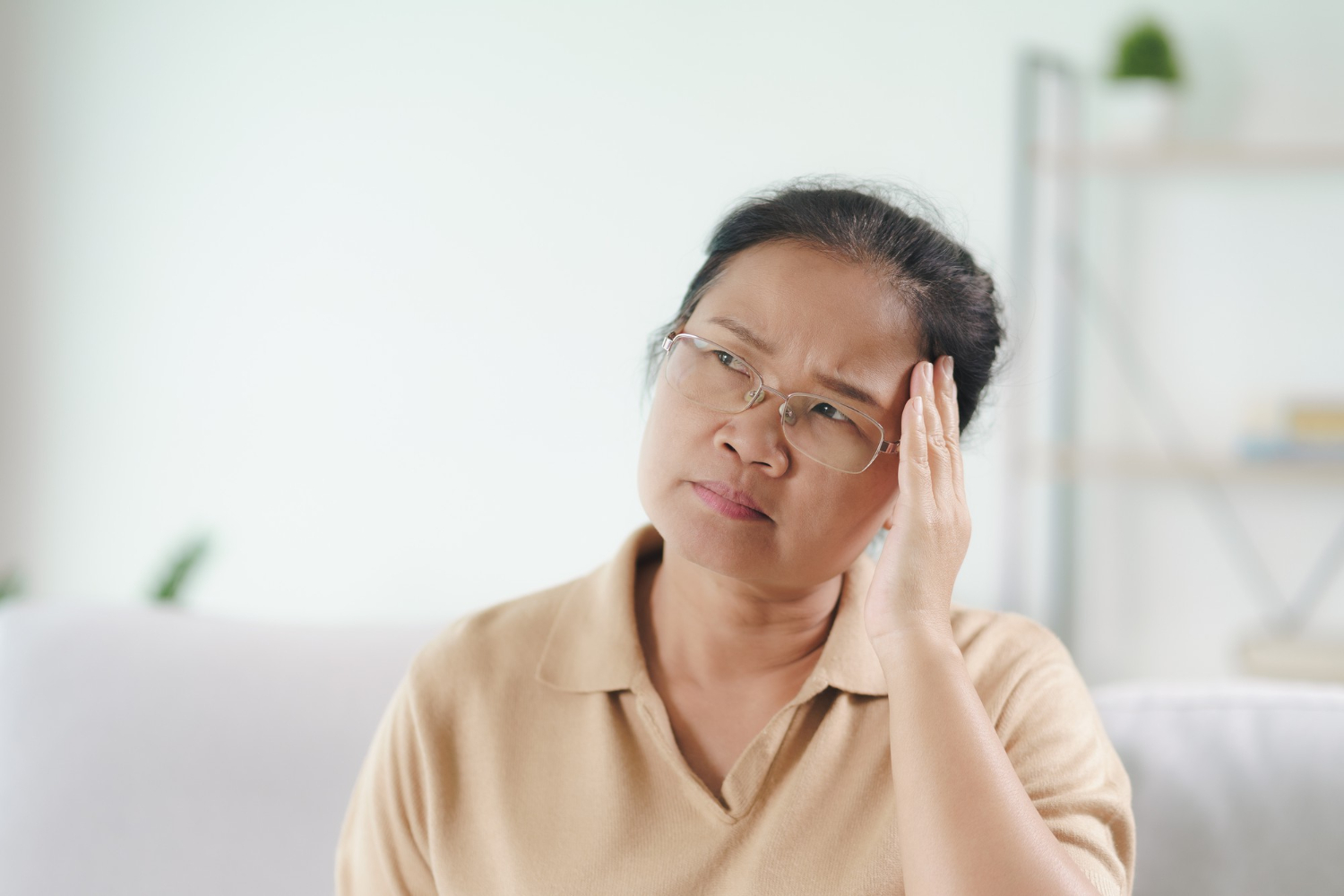
Many people assume that blurry vision, floaters, or difficulty seeing clearly are simply part of getting older. While age-related eye changes are common, some visual disturbances can signal a more serious condition known as retinal detachment. Recognising detached retina symptoms early is important because prompt treatment may help preserve vision.
Key Takeaways
- Sudden flashes of light, new floaters, or a shadow in your vision can be detached retina symptoms.
- Retinal detachment is a medical emergency that requires urgent assessment.
- Ageing eyes can cause vision changes, but sudden symptoms should never be ignored.
- Early detection and timely treatment can improve the chances of preserving eyesight.
What Is a Detached Retina and Why Does It Matter?
The retina is a thin layer of light-sensitive tissue located at the back of the eye. It captures visual information and sends signals to the brain, allowing you to see clearly.
When the retina separates from its normal position, it is known as a retinal detachment. Without timely medical attention, the affected area may no longer function properly, which can lead to permanent vision loss.
Retinal detachment can occur in people of different ages, but the risk tends to increase with age due to natural changes in the vitreous gel inside the eye.
What Are the Common Detached Retina Symptoms?
Some symptoms can appear suddenly and may worsen over time.
Watch out for these warning signs,
- A sudden increase in floaters (small dark spots, dots, or cobweb-like shapes)
- Brief flashes of light, especially in peripheral vision
- Blurred or distorted vision
- Reduced side (peripheral) vision
- A dark shadow or curtain-like effect moving across part of your vision
- Sudden loss of vision in one eye
These detached retina symptoms are not typically as
Are These Symptoms Just Part of Ageing?
Many age-related eye conditions develop gradually. For example,
- Presbyopia causes difficulty focusing on near objects.
- Cataracts may lead to slowly worsening blurry vision.
- Dry eyes can cause fluctuating vision and discomfort.
If you notice abrupt visual changes, it is safer to seek an eye examination rather than assume it is part of aging.
Who Is More Likely to Develop Retinal Detachment?
Certain factors may increase the risk of retinal detachment,
- Ageing, particularly after age 50
- High myopia (severe short-sightedness)
- Previous eye surgery, such as cataract surgery
- Eye injuries or trauma
- Family history of retinal detachment
- Previous retinal tears or retinal problems
Having one or more risk factors does not mean retinal detachment will occur, but it highlights the importance of regular eye examinations.
What Should You Do If You Notice Detached Retina Symptoms?
Do not wait to see if the symptoms improve on their own. Consider seeking urgent eye care if you experience,
- A sudden shower of floaters
- New flashes of light
- A shadow or curtain across your vision
- Sudden vision loss
Early evaluation can help determine whether the symptoms are related to retinal detachment or another eye condition that requires attention.
How Can Regular Eye Examinations Help?
Comprehensive eye examinations can help identify retinal changes before serious complications develop. Benefits of routine eye checks include,
- Monitoring retinal health
- Detecting retinal tears early
- Identifying age-related eye conditions
- Assessing overall visual function
- Providing appropriate recommendations based on your eye health
For individuals with high myopia or a family history of retinal conditions, regular reviews may be especially important.
Frequently Asked Questions
1. Can retinal detachment happen without pain?
Yes. Retinal detachment is usually painless. Many people first notice visual symptoms such as floaters, flashes, or shadows rather than discomfort.
2. Are floaters always a sign of retinal detachment?
No. Floaters are common and often harmless. However, a sudden increase in floaters, especially when accompanied by flashes of light, should be assessed promptly.
3. Can retinal detachment occur in younger people?
Yes. Although it is more common in older adults, retinal detachment can occur in younger individuals, particularly those with high myopia, eye injuries, or certain retinal conditions.
4. How quickly should I seek help for detached retina symptoms?
You should seek professional assessment as soon as possible. Early evaluation is important whenever sudden flashes, floaters, shadows, or vision loss occur.
Concerned About Sudden Vision Changes?
Not every visual change is caused by retinal detachment, but sudden symptoms should never be ignored. Understanding the difference between normal age-related changes and potential detached retina symptoms can help you make informed decisions about your eye health.
If you have noticed new flashes, floaters, blurred vision, or other sudden changes in your eyesight, consider arranging a comprehensive eye assessment with the team at Stan Isaacs Optometrists. A professional eye examination can help identify the cause of your symptoms and determine the most appropriate next steps for your vision care.
Book an appointment with Stan Isaacs Optometrists today to have your eyes assessed and safeguard your long-term visual health.