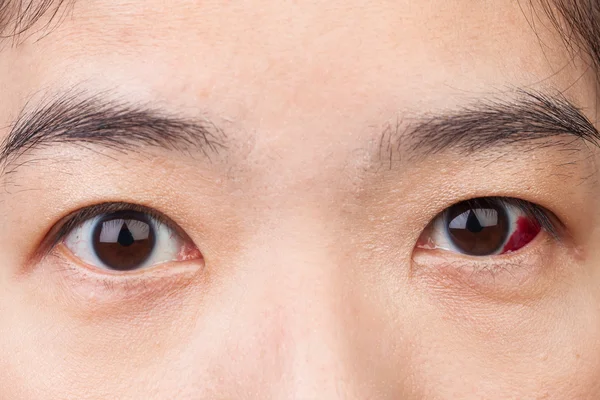

If someone in your family has had a retinal condition, you may wonder whether it is something you should start thinking about only when you notice changes in your vision. The answer is not necessarily. Family history can be an important part of understanding your own eye health and deciding how regularly your eyes should be monitored.
Key Takeaways
- A family history of retinal disease may make regular eye monitoring more relevant to you.
- You do not always need to wait for noticeable vision changes before having your eyes assessed.
- The right monitoring schedule depends on your family history, age, existing eye health and other individual factors.
- Changes such as distorted vision, new floaters or flashes should not be ignored.
- Keeping a record of your family eye health history can help your optometrist assess your needs more meaningfully.
Could your family history affect when you should start eye monitoring?
Not always. One of the less obvious concerns with some retinal conditions is that changes may not immediately feel dramatic.
You may continue reading, working or using your phone normally while subtle changes are developing. This is one reason why retinal screening and family history should be discussed even when your vision appears fine.
Regular eye assessments can provide an opportunity to identify changes that may otherwise go unnoticed. Your optometrist can also consider your symptoms, medical history and family history together rather than looking at one factor in isolation.
How often should you have retinal checks if eye disease runs in your family?
There is no single monitoring schedule that applies to everyone with a family history of retinal disease. Your optometrist may consider factors such as,
- Your age and general eye health.
- The specific retinal condition in your family.
- How closely related the affected family member is to you.
- Whether you have experienced any changes in your vision.
- Whether previous eye examinations have identified any concerns.
The important point is not to assume that one routine schedule suits every family. If you are unsure about your risk, discussing your family history during an eye examination can help clarify what monitoring may be appropriate for you.
What eye changes should make you seek an assessment sooner?
Even if your next routine eye check is not due, certain changes deserve attention. You should look out for,
- A sudden increase in floaters.
- Flashes of light.
- A new shadow or curtain-like area across your vision.
- Distorted or wavy straight lines.
- A noticeable change in central vision.
- Sudden or unexplained loss of vision.
These symptoms can have different causes, so they should not be self-diagnosed. Prompt assessment is important when vision changes occur suddenly.
What should you tell your optometrist about your family history?
You do not need to arrive with a complete family medical file. Start with what you know.
If possible, note,
- Which relative had the condition.
- What the condition was called.
- Approximately how old they were when it developed.
- Whether they experienced significant vision loss.
- Whether other relatives have had similar problems.
Even incomplete information can be useful when discussing your personal eye health.
Frequently Asked Questions
1. Does having a family history mean I will develop retinal disease?
No. Family history may be relevant to your individual risk, but it does not mean you will definitely develop the same condition.
2. When should I start retinal monitoring?
There is no universal age for everyone with a family history. Your optometrist can advise based on your family history, age, symptoms and existing eye health.
3. Can retinal disease develop without obvious symptoms?
Some retinal changes may not cause noticeable symptoms initially. This is why appropriate routine eye monitoring can be useful, particularly when there is a relevant family history.
4. Should I have my eyes checked even if I can see clearly?
Clear vision does not necessarily mean every aspect of your eye health is normal. If retinal disease runs in your family, discuss this history with your optometrist even if you currently have no concerns.
5. What if I suddenly notice flashes or many new floaters?
Do not ignore sudden changes in vision. Seek prompt professional assessment, particularly if they are accompanied by a shadow, curtain-like effect or loss of vision.
Is it time to talk about your family eye health history?
Knowing that retinal disease runs in your family can be a reason to be more mindful of your eye health, rather than a reason to worry. At Stan Isaacs Optometrists, you can discuss your family history, concerns and appropriate eye monitoring with our team of doctors as part of your eye care assessment.
If you have a family history of retinal disease or have noticed changes in your vision, consider booking a consultation with Stan Isaacs Optometrists to discuss your individual eye health and monitoring needs.