
Key Takeaways
- Ortho K Lenses are specially designed contact lenses worn during sleep to gently reshape the cornea.
- They may help children with short-sightedness reduce their reliance on daytime glasses or lenses.
- The process is non-surgical, reversible and requires proper assessment and monitoring by an optometrist.
- Parents often consider ortho k lenses as part of their child’s myopia management plan.
What Are Ortho-K Lenses and How Do They Work While Your Child Sleeps?
Ortho K Lenses are custom-fitted rigid gas-permeable lenses worn only at night. They gently change the front surface of the eye (the cornea) temporarily, allowing clear vision during the day without glasses or contact lenses.
How they work:
- Lenses are placed on the eyes before bedtime.
- During sleep, they lightly alter the corneal surface.
- This temporary reshaping allows light to focus more accurately.
- Vision typically returns to its original state if lens wear is stopped.
This non-surgical, reversible method is often considered for children, especially when parents prefer a night-time form of vision correction.
Why Do Some Parents Consider Ortho-K for Their Child?
Parents often consider Ortho-K Lenses for reasons such as reducing the need for glasses during school, sports or outdoor activities, choosing a non-invasive way to manage short-sightedness, preferring night-time lens wear, and wanting lens use to be supervised at home.
What Happens During an Ortho-K Consultation?
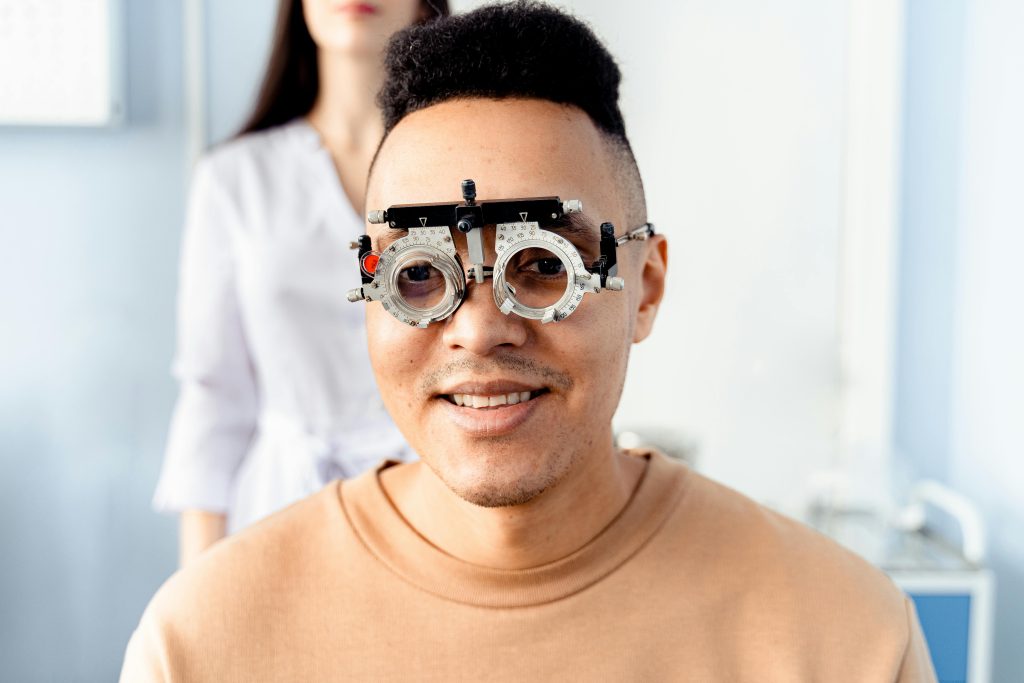
A proper assessment is important to determine whether ortho k lenses may be suitable.
Typical steps include:
- Eye examination: Measurement of short-sightedness, corneal health and tear quality.
- Corneal mapping: Detailed imaging to design customised lenses.
- Fitting and training: Guidance on inserting, removing and caring for the lenses.
- Follow-up appointments: Monitoring comfort, hygiene and visual response over time.
These steps help ensure that parents have clear, factual information before deciding whether to proceed.
Is the Overnight Reshaping Process Safe for Children?
Maintaining safety with Ortho K Lenses relies on proper fitting, careful hygiene and regular follow-up. Keep the following in mind,
- Parents should ensure that lenses are cleaned daily as directed, that their child can manage them confidently, and that routine optometric reviews are kept.
- Any discomfort, redness or change in vision should be reported at once.
- The effects of Ortho K Lenses are temporary; once wear is discontinued, the cornea gradually returns to its natural shape.
How Quickly Do Children Usually Notice a Difference?
Many children may experience clearer vision after the first few nights, but this varies depending on:
- Degree of short-sightedness
- Corneal response
- Consistency of overnight wear
Since every child responds differently, regular checks help track progress without creating expectations of specific timelines.
Frequently Asked Questions (FAQs)
1. Are Ortho K Lenses permanent?
No. Their effect is temporary; once wear stops, the cornea gradually returns to its natural shape.
2. Can children with astigmatism use Ortho K Lenses?
Certain designs may be appropriate, depending on the degree of astigmatism. A full assessment is required.
3. Do Ortho K Lenses hurt?
Children may need a short adjustment period. Any persistent discomfort should be discussed with the optometrist.
4. How do I know if my child is suitable for Ortho K Lenses?
Suitability is confirmed through an eye examination, corneal measurements and a review of lifestyle needs. An optometrist will guide you through each step.
Considering Ortho-K for Your Child in Singapore?
If you’re considering whether Ortho K Lenses could fit into your child’s daily routine, a conversation with an optometrist can help you understand the practical steps, suitability and care involved. Stan Isaacs, Optometrists and Opticians, provides structured eye assessments for children, allowing parents to explore their options with clarity and confidence.
If you would like to understand your child’s eye health more deeply, you may consider arranging a consultation to discuss what may be suitable for them.